
Beat Winter Damp: The Ultimate Guide for Auckland Homeowners
TM
Why Is My House So Damp in July?
If you've noticed water pooling on your windowsills, a musty smell in the bedrooms, or black spots creeping across your bathroom ceiling, you're not alone. Every July, we get a surge of calls from Auckland homeowners asking the same question: why does my house feel so damp? The short answer is that Auckland's winter climate is the perfect storm for condensation and mould, and the good news is that most of it is preventable once you understand what's causing it.
Why Auckland Homes Get So Damp in Winter
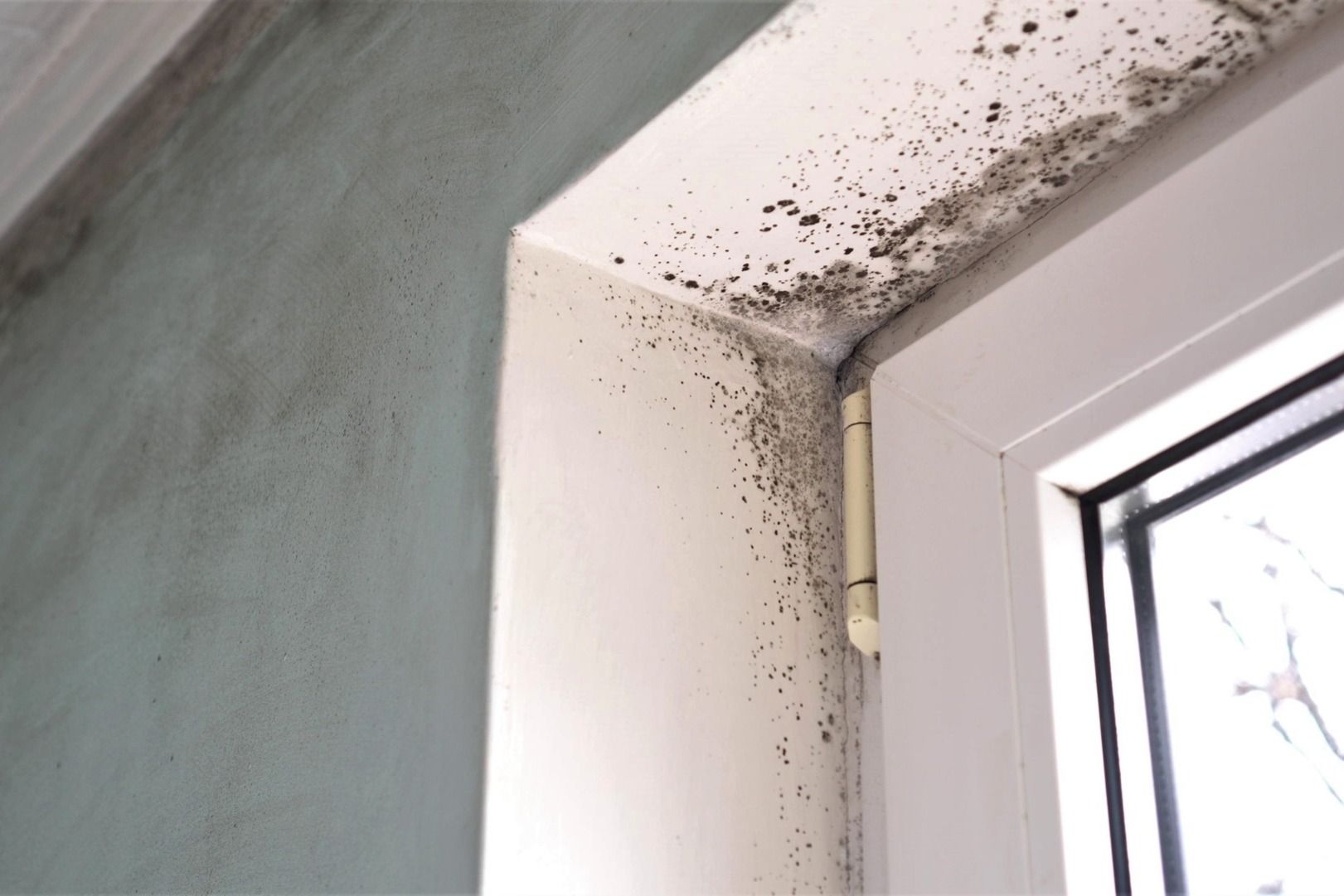
When warm, moist air inside your home hits a cold surface, such as a single-glazed window or an exterior wall, it condenses into water droplets. We also shut windows and doors to keep the heat in, trapping moisture indoors with nowhere to go. Everyday living adds to this too, as showers, cooking, and drying clothes indoors all release water vapour into the air. Many older Auckland villas and bungalows simply weren't built with modern insulation or ventilation in mind, so all of this combines to create the classic winter mix of foggy windows, damp walls, and creeping mould.
Why It's Worth Taking Seriously
Ignoring damp isn't just a cosmetic issue. Over time it can lead to mould growth, which may affect respiratory health, especially for children and anyone with asthma or allergies. It can also damage paint and plasterboard, rot window frames and skirting boards, and leave musty odours in carpets and curtains. If moisture reaches wall cavities or the subfloor, repair costs can climb quickly, so it pays to deal with damp early.
Look out for water droplets on windows each morning, musty smells in bedrooms or wardrobes, black or green mould on ceilings and grout, peeling paint, or walls that feel cold and clammy even with the heating on. If any of this sounds familiar, it's worth acting now before things worsen through August.
How to Reduce Condensation and Mould
Ventilation is the first line of defence. Open your windows for ten to fifteen minutes a day, ideally in the late morning, to let trapped moisture escape. Run extractor fans during and after showers or cooking, and leave them on for fifteen to twenty minutes afterwards. Try to dry laundry outside rather than indoors, as indoor drying is one of the biggest contributors to household humidity. Wiping down windows and sills each morning also helps prevent condensation from soaking into timber frames.Poor or missing insulation in the ceiling, underfloor area, or walls is often the root cause of the cold surfaces where condensation forms, so an insulation check can help pinpoint where you're losing heat. Many older homes also have poor underfloor airflow, and improving roof and subfloor ventilation can make a real difference. For problem rooms, a dehumidifier can be a worthwhile investment during long stretches of wet weather. It's also worth ruling out leaks, as a blocked gutter or failing window seal can sometimes look like condensation.
When to Call in the Professionals
DIY fixes help, but they only go so far if the real issue is poor insulation, inadequate ventilation, or a structural leak. If mould keeps coming back, damp patches won't clear, or you're seeing water stains on ceilings or walls, it's time for a proper inspection. We can assess your home's insulation, ventilation, and drainage to find the actual source of the problem, rather than just treating the symptoms.

Ready to sort out your damp problem before it turns into a mould problem? Get in touch with our team for a home moisture assessment this July.